Context
ElliQ’s mission on the Communication side was easy to say and hard to do: help older adults stay connected to family, friends, and community. Two forces pulled in the same direction.
Users were isolated and wanted simpler ways to reach the people they love. And commercially, nearly every partner we pitched asked the same question — “Do you have video calling or messaging?” When the answer was “not yet,” the reply was almost always “Talk to us when you do.” Connection features weren’t just a user need; they were a sales gate.
Approach
I set KPIs to keep us honest — Contacts Added, Time Spent on Communication features, and Weekly Duration of Video Calls — then sequenced the roadmap by effort-to-impact.
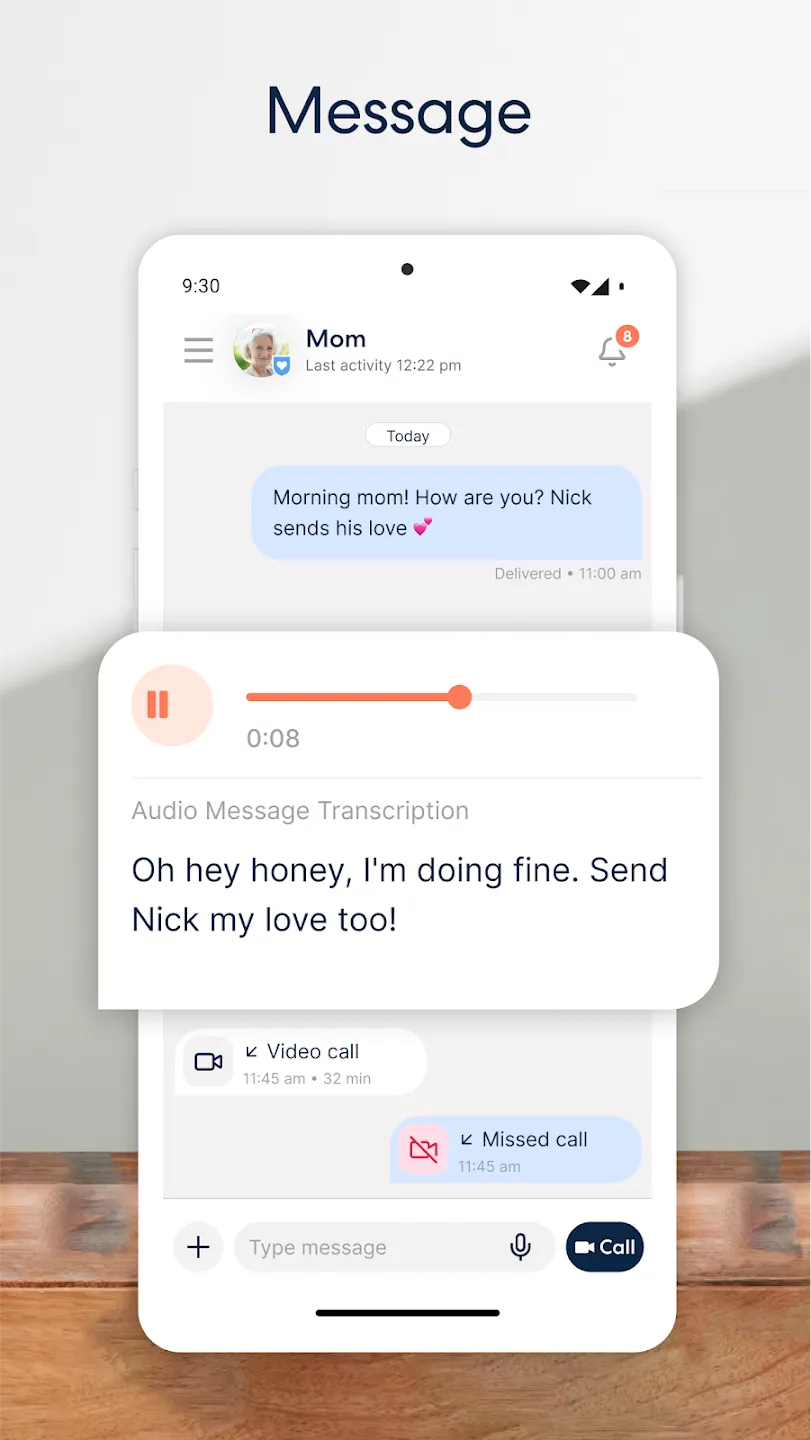
Messaging first. Lower-effort, and our research showed broader reach, so we shipped an MVP in one month — enough to immediately unblock partner conversations.
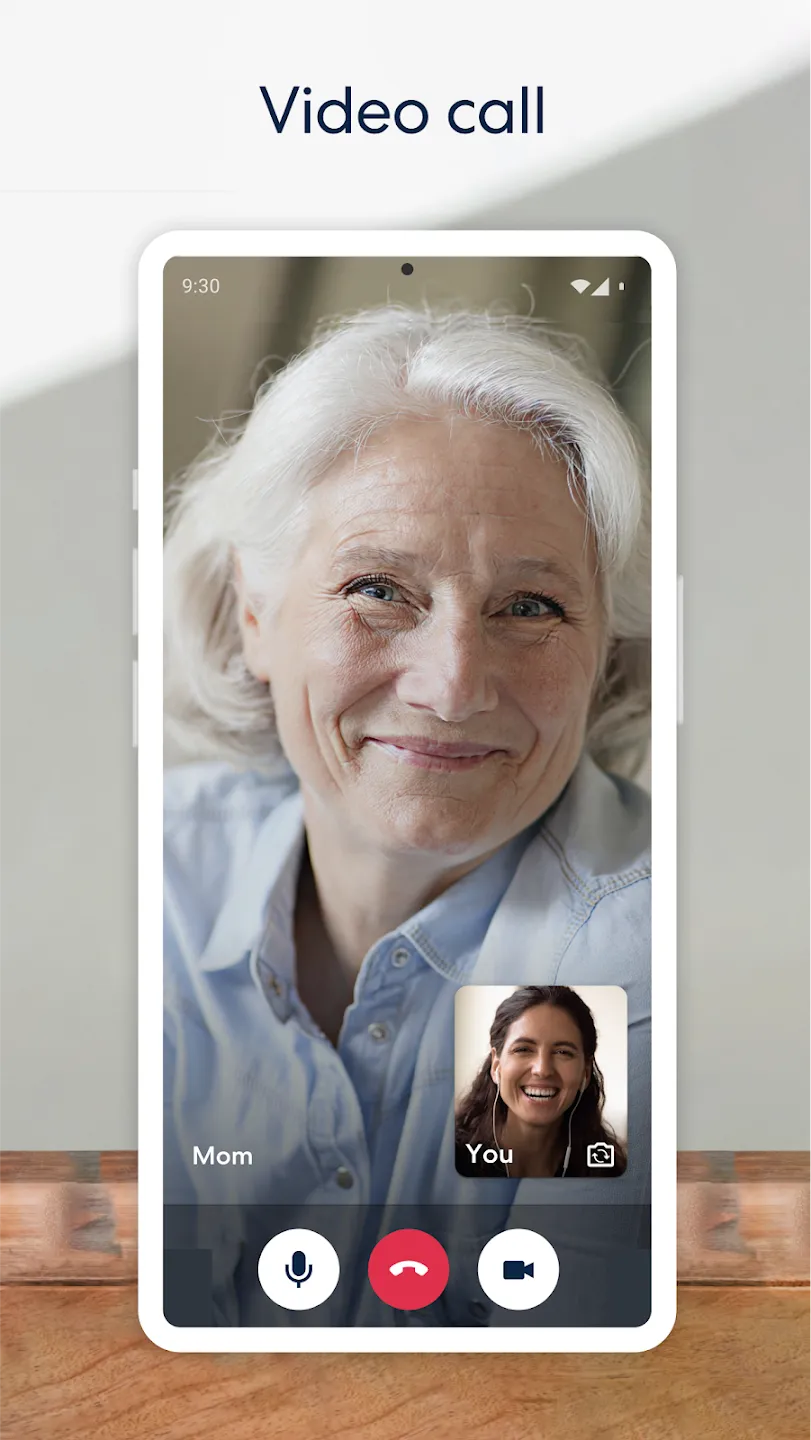
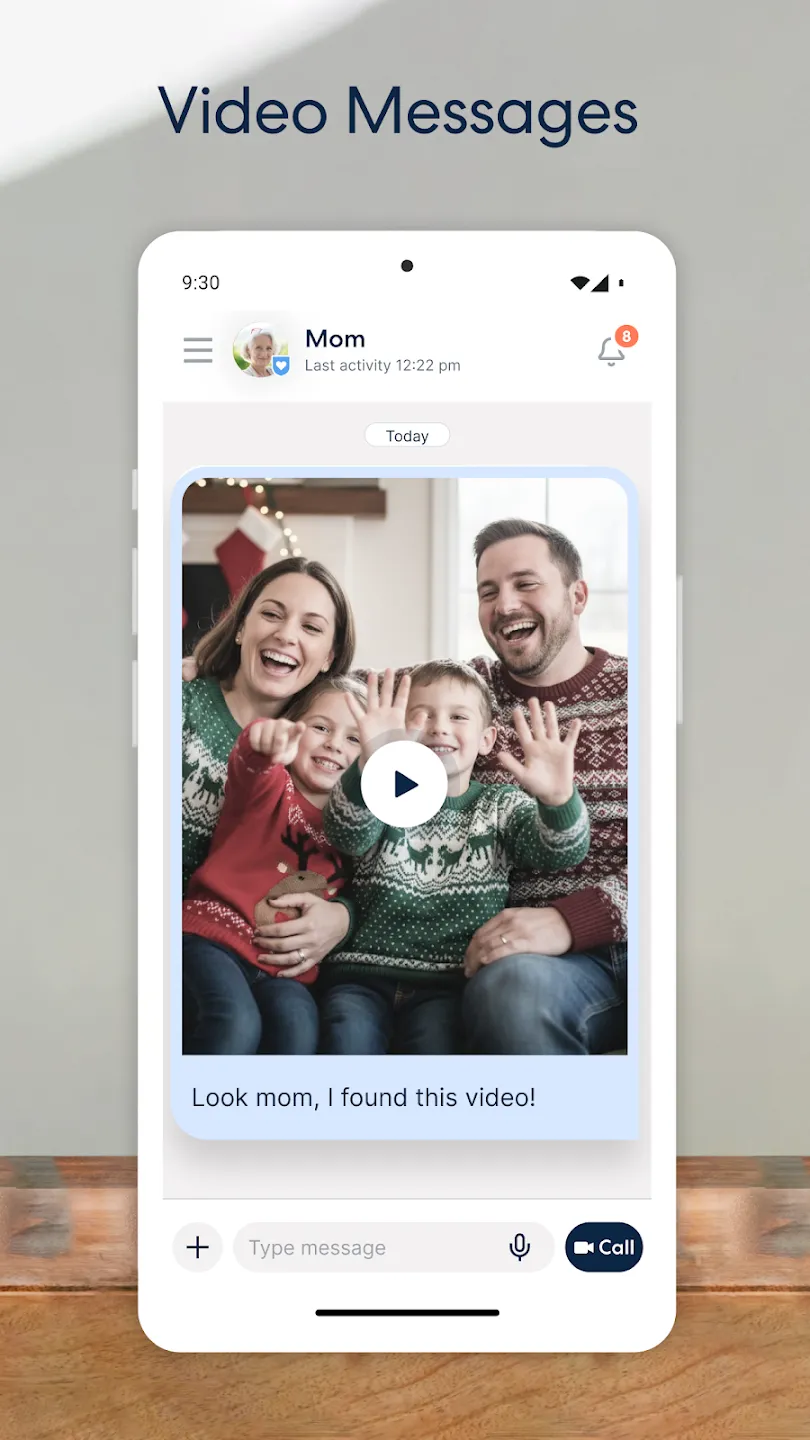
Video calling next. This was the hard one. ElliQ is a multi-device product — a tablet and a moving robot — and after evaluating off-the-shelf options we found that integrating an existing app was effectively impossible. So we built our own video-calling stack, plus ElliQ Connect, a companion mobile app that let family place calls, send text / voice / video messages, share reminders, and even play games with their loved one.
The key decision
Build vs. integrate. Building video calling ourselves was a big bet for a small team, but it was the only path that worked across ElliQ’s hardware. We scoped ruthlessly to an MVP and shipped it in three months.
Results
- Closed a $1M deal (with the State of New York), opening doors to further partnerships
- Grew the user base 5x
- Steady, sustained improvement across the communication team’s core KPIs
What I learned
The best roadmap calls serve the user and the business at once. Sequencing messaging before video calling — lower effort, faster proof — kept deals alive while we tackled the hard technical build behind them.