Context
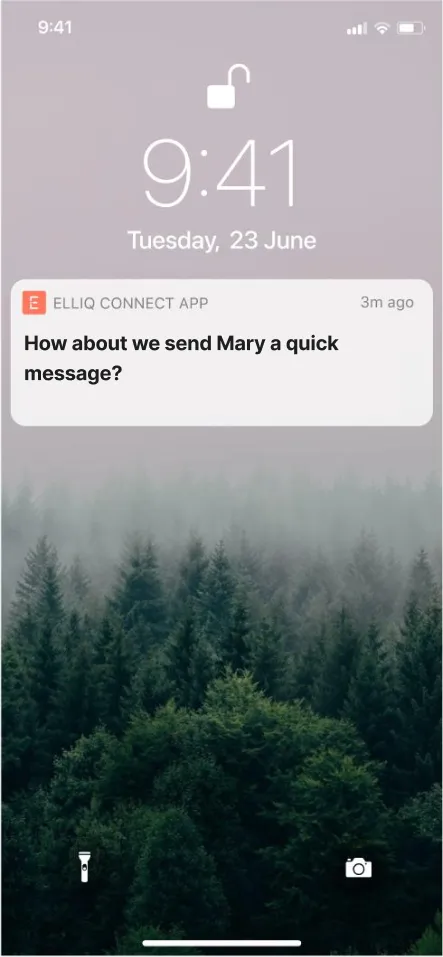
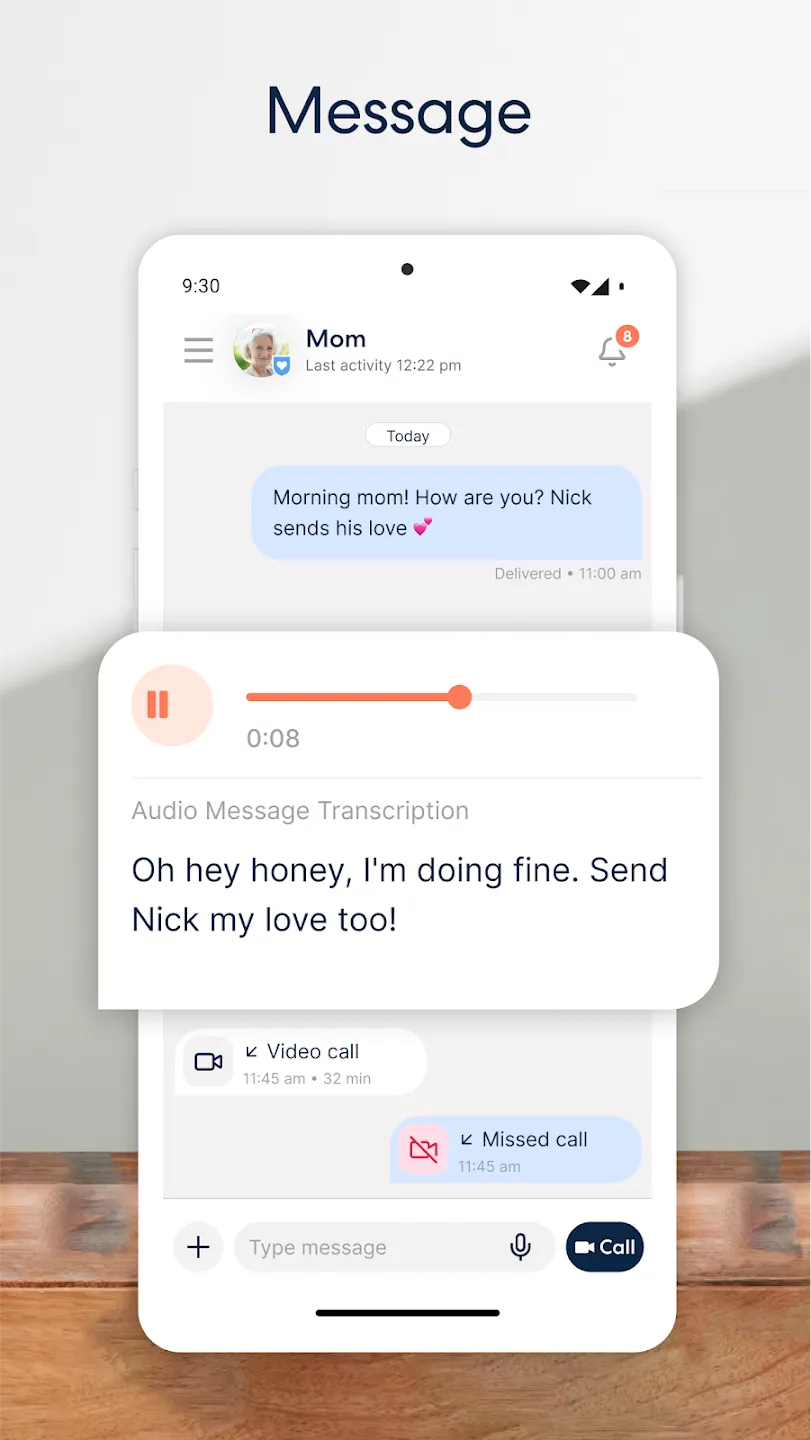
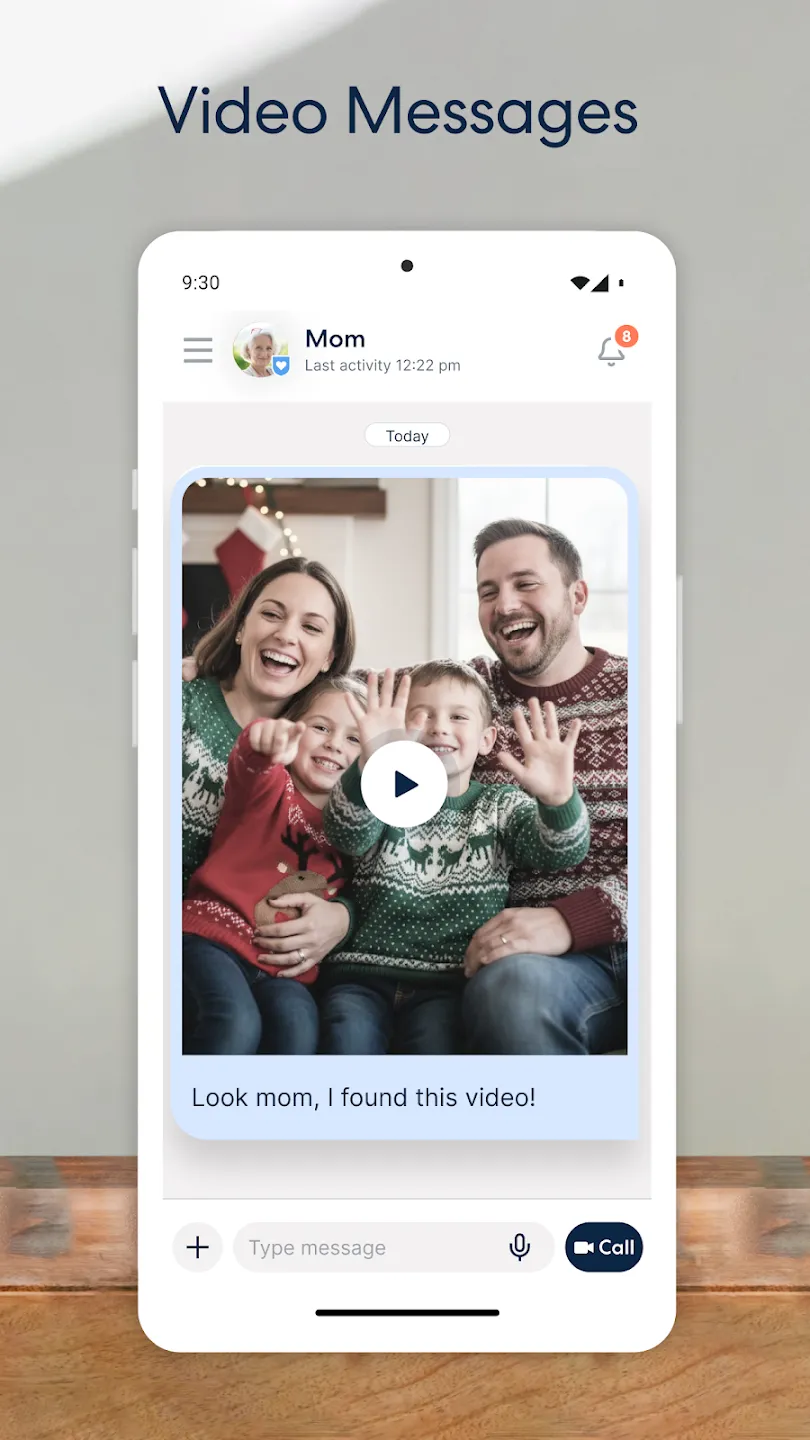
Inside the ElliQ Connect app, a family member could send their loved one a one-tap message — a quick “Good morning, Grandma!” — to brighten their day in a single tap. The hard part was getting people to actually do it. To nudge them, we sent push notifications like “How about we send Mary a quick message?”
Almost no one bit. Conversion on those notifications sat below 1%.
Approach
Rather than guess, I treated it as a question of motivation: what would actually move a family member to reach out? We mapped the likely emotional triggers — missing the person, worrying about them, feeling guilty about not having called — drafted notification copy targeting each, and ran a test.
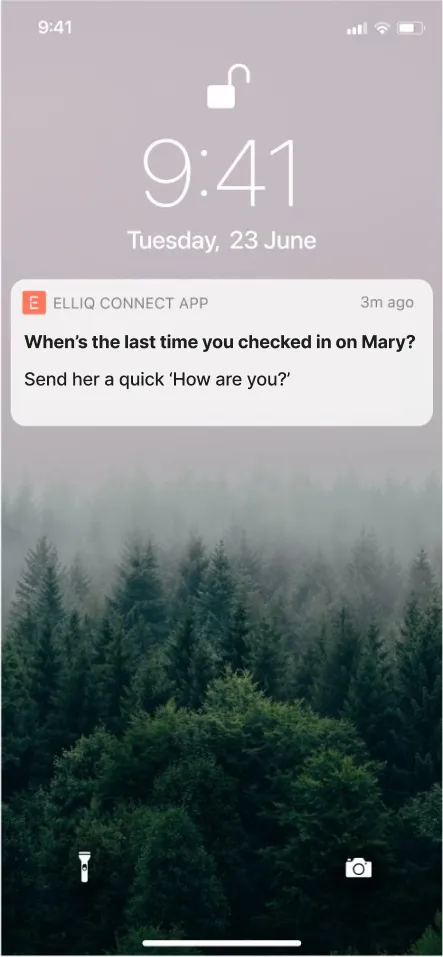
One signal came back clearly: guilt worked best. “When’s the last time you checked in on Mary? Send her a quick ‘How are you?’” lifted conversion to ~3.5% — a real improvement over baseline.
The insight
But ~3.5% still felt capped, so we talked to users who’d received the messages. The feedback was a gut-check:
“It just made me feel bad. Like I was to blame.”
“It felt like you were berating me.”
We’d found a lever that worked — at the cost of how people felt about the product. That’s not a trade I was willing to keep making.
The fix
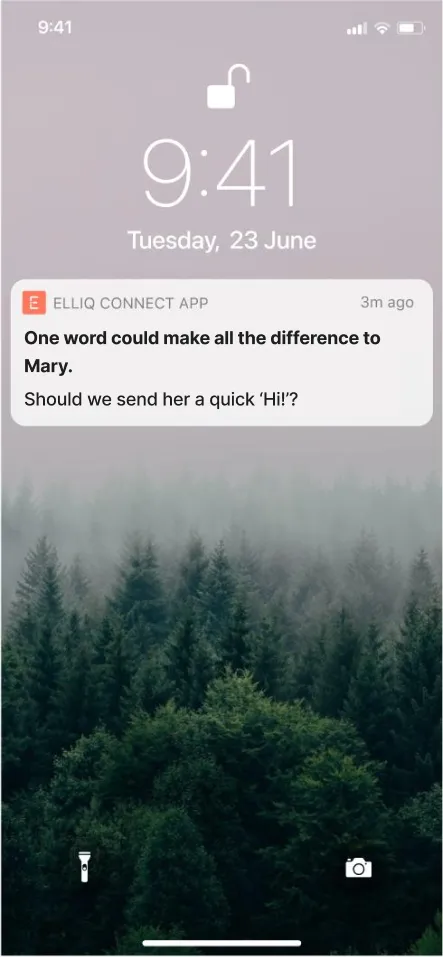
We reframed the same nudge with a warmer, lower-pressure tone, and cut friction by putting “Yes” and “No” right in the notification. A few of the messages we landed on:
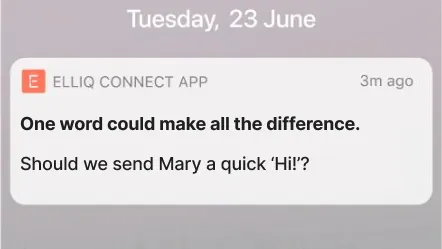
- “One word can make all the difference. Should we send Mary a quick ‘Hi!’?”
- “It’s been 5 days since you heard from Mary. Should we send her a ‘Good morning’?”
- “Wow, time flies! Send Grandma a heart emoji to remind her you’re thinking of her!”
Conversion jumped to nearly 5%, up from a sub-1% baseline — and it did so without making users feel bad.
What I learned
Growth and empathy aren’t opposites. The “winning” guilt message would have quietly eroded trust; listening to users turned a decent result into a better one that respected them. And reducing friction — inline Yes/No — mattered as much as the words did.