Context
ElliQ isn’t an app or a smart speaker — she’s an AI care companion for older adults, designed to reduce loneliness and improve well-being. That bar is unusually high: to earn a place in someone’s home and their daily life, the product has to feel present, warm, and alive — not like a device.
No single discipline gets you there. When I stepped in as Head of Design, there was no design org to speak of. I built one from the ground up, because a voice-first robot for older adults needs conversation, motion, sound, light, and screen all pulling in the same direction.
Building the team
I recruited, hired, and managed a multi-disciplinary design org of eight:
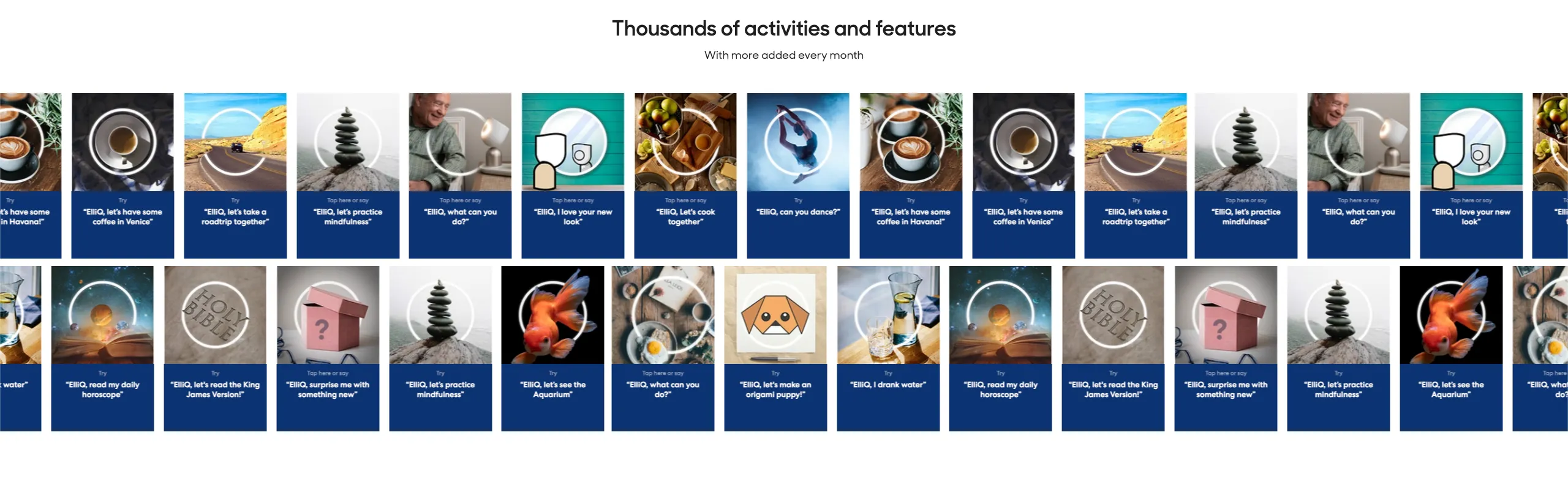
- 4 conversational designers — ElliQ’s voice, personality, and the thousands of dialogue flows that make her feel human.
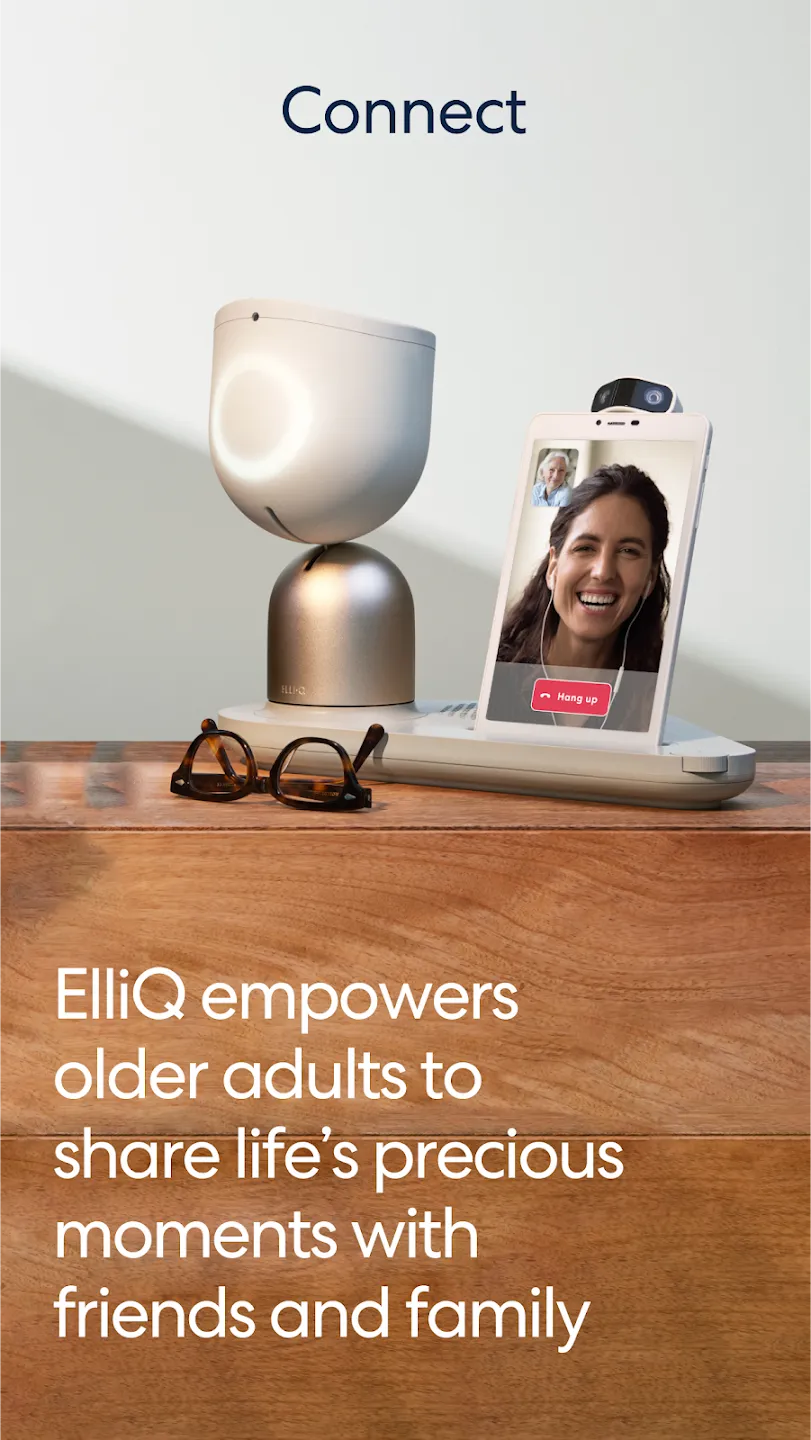
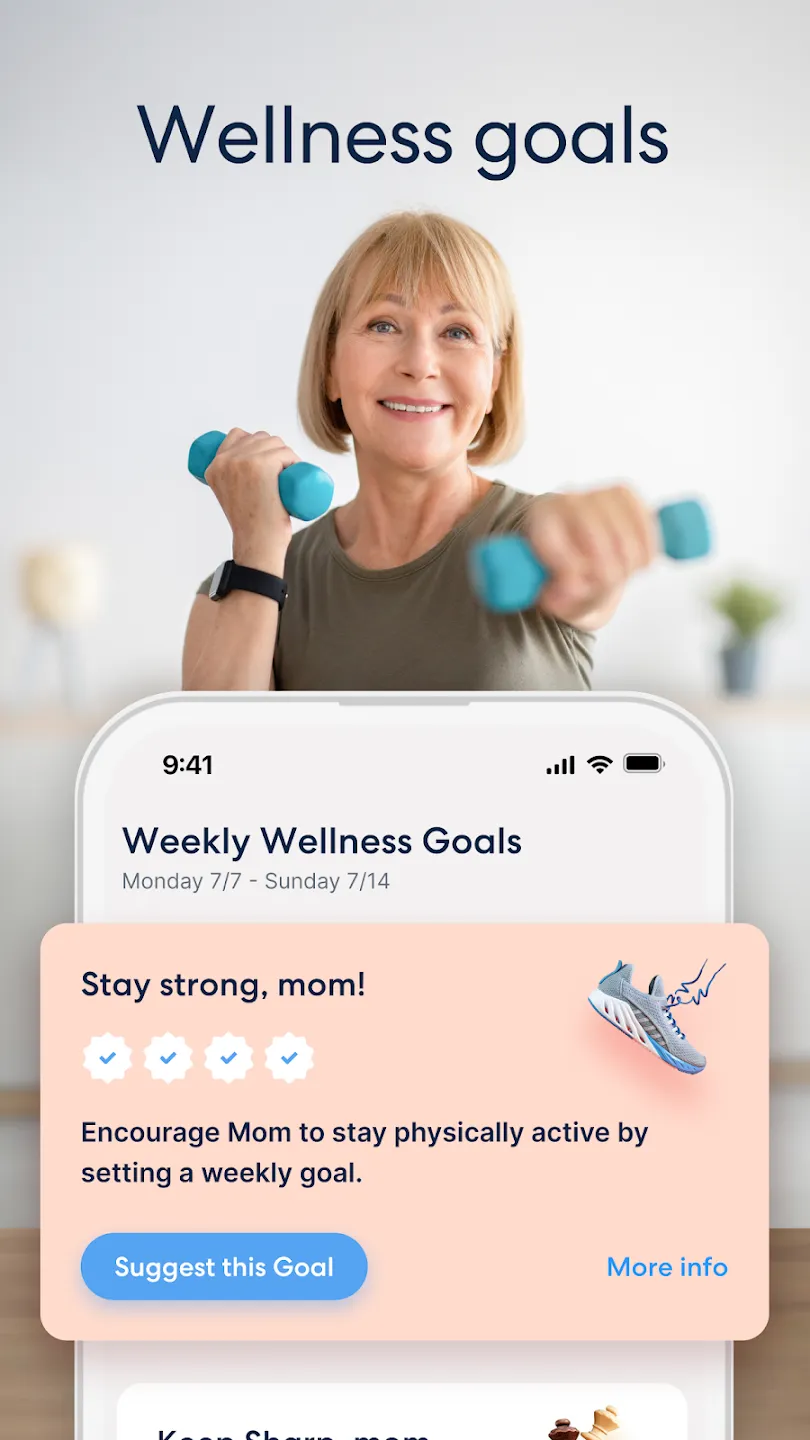
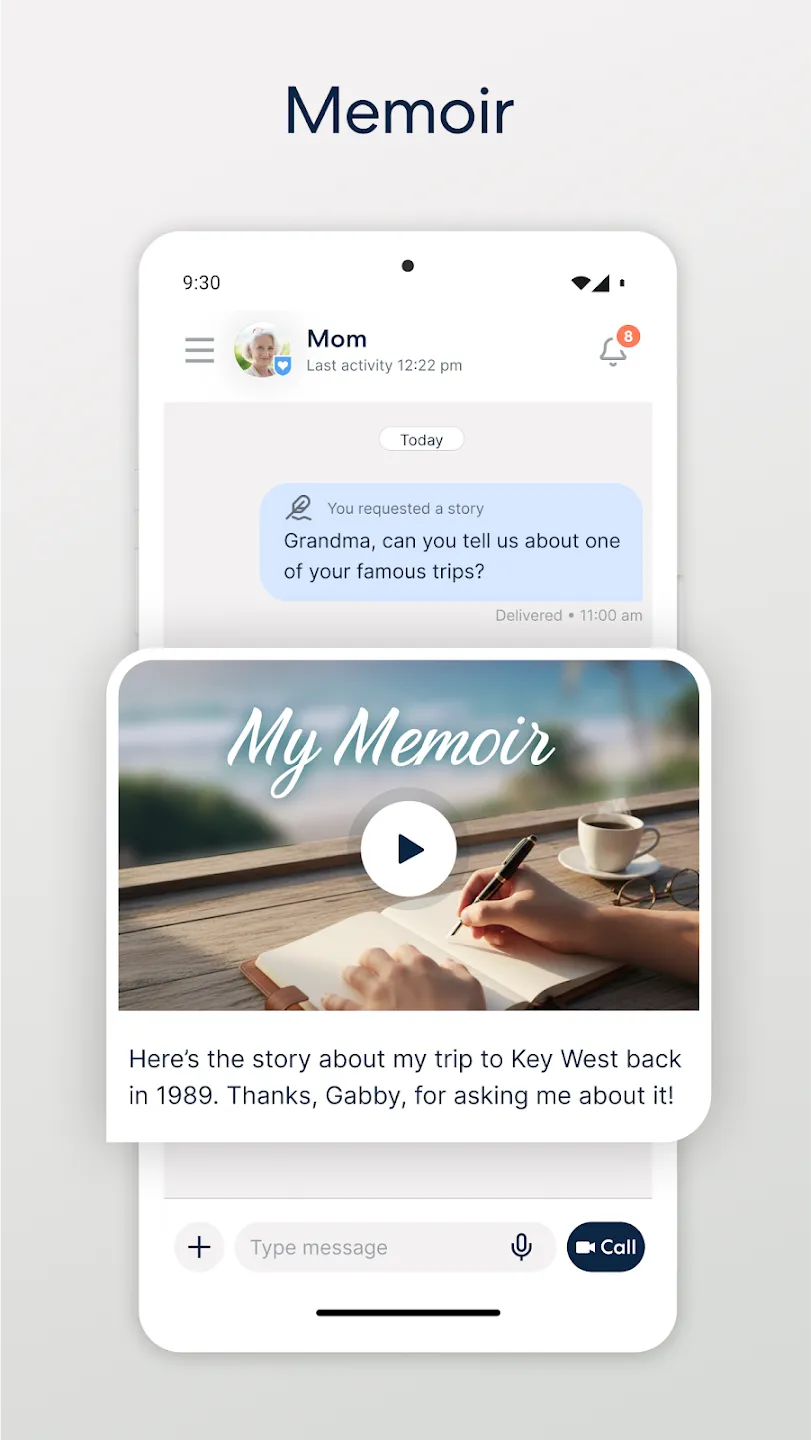
- 3 UI/UX designers — the companion screen on the robot and the ElliQ Connect app that keeps family in the loop.
- 1 Creative Director — holding the visual, motion, and sonic language together so the whole experience felt like one character.
Beyond hiring, my job was to build the craft and the rituals: a shared design language, critique culture, and a way of working across conversation, industrial, motion, and product design that didn’t exist before.
Designing a holistic, multi-modal experience
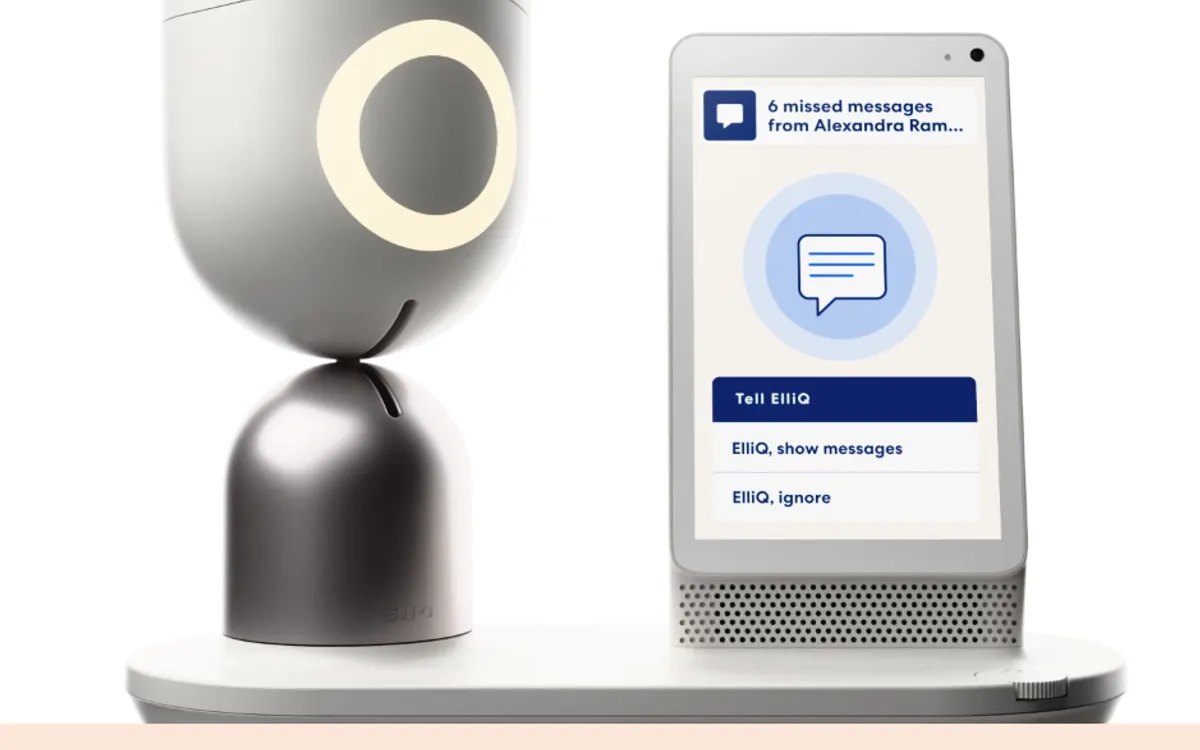
The hardest — and most rewarding — part was designing every modality in harmony. For an older-adult user, a fumbled hand-off between voice and screen, or a light that says one thing while the words say another, breaks the illusion of a companion. So we designed as one system:
- Speech & conversation — what ElliQ says, how she says it, when she stays quiet.
- Movement & gesture — the subtle physical motion that gives her presence and intent.
- Sound & music — earcons, ambient cues, and moments of delight.
- Light — the ring that signals attention, warmth, and state.
- On-screen UI — the companion screen and the family app, legible and calm.
Designed together, these add up to an experience that is emotionally and cognitively engaging — a companion older adults actually want to spend time with, day after day.
Measuring what matters
Design leadership here meant being accountable to outcomes, not aesthetics. I defined success up front and tracked it week over week with the team and leadership:
- CSAT — satisfaction with the experience.
- Loneliness & well-being — measured with a validated well-being survey, the metric that actually mattered for our mission.
- Engagement — daily interactions, the leading indicator that ElliQ had become part of someone’s routine.
Results
Over two years of real-world deployment (a ~900-person program with New York State), the holistic experience delivered:
- 93% sustained reduction in loneliness — held from year one into year two.
- CSAT of 4.9 / 5.
- ~28 interactions per person, per day — ElliQ became part of daily life.
- 96% of users reported improved overall wellness; 73% felt more connected to friends and community; 86% said ElliQ improved their quality of life.
- Industry recognition, including Fast Company Most Innovative Companies and a CES Best of Innovation award.
What I learned
You can’t bolt “feeling like a companion” on at the end — it’s an emergent property of every modality agreeing with every other one. Building the team and the craft was the product work. The lever that mattered most was hiring across disciplines and then getting them to design as a single system, measured against the one outcome we existed to move: how much less alone our users felt.