Context
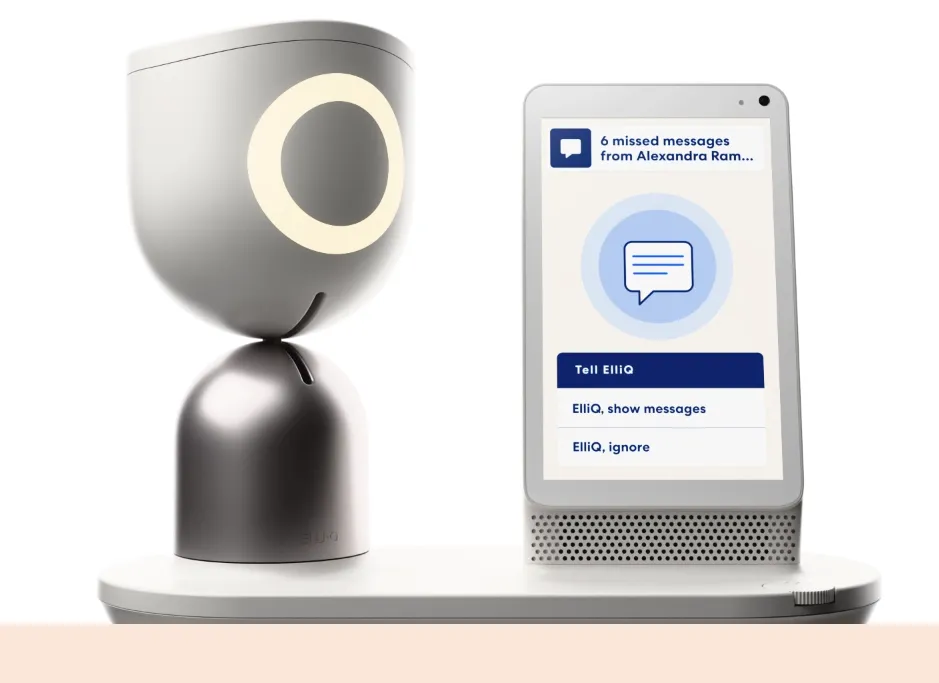
ElliQ exists to help older adults feel less lonely — but engagement was low and user growth had stalled. As Group PM for the Experience team (and Head of Design, leading a team of 8 conversational and UX/UI designers), I owned a deceptively simple question: what should ElliQ actually spend its time doing with users each day?
Approach
I anchored the team on a single value proposition — reduce loneliness through meaningful conversation — and set measurable KPIs so “engagement” was a number, not a vibe: Daily Turns per User and Time Well Spent.
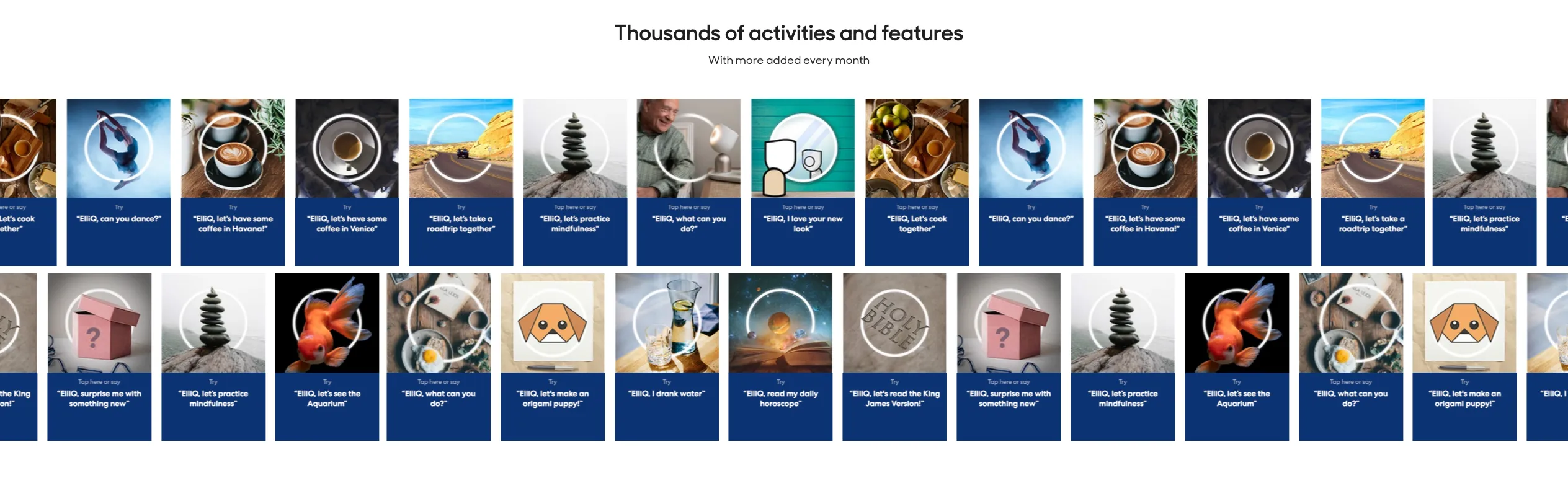
Partnering with a data scientist, we categorized every existing feature into four buckets — conversations, fun & games, utilities (alarms, timers, weather), and other — and measured how each actually moved those KPIs.
The key decision
The data was unambiguous: conversational features outperformed everything else by orders of magnitude. Games and utilities were table stakes; conversation was the product. So I made a deliberately concentrated bet — reallocating 50% of the team’s resources to expanding ElliQ’s conversational capabilities, even though it meant slowing other work.
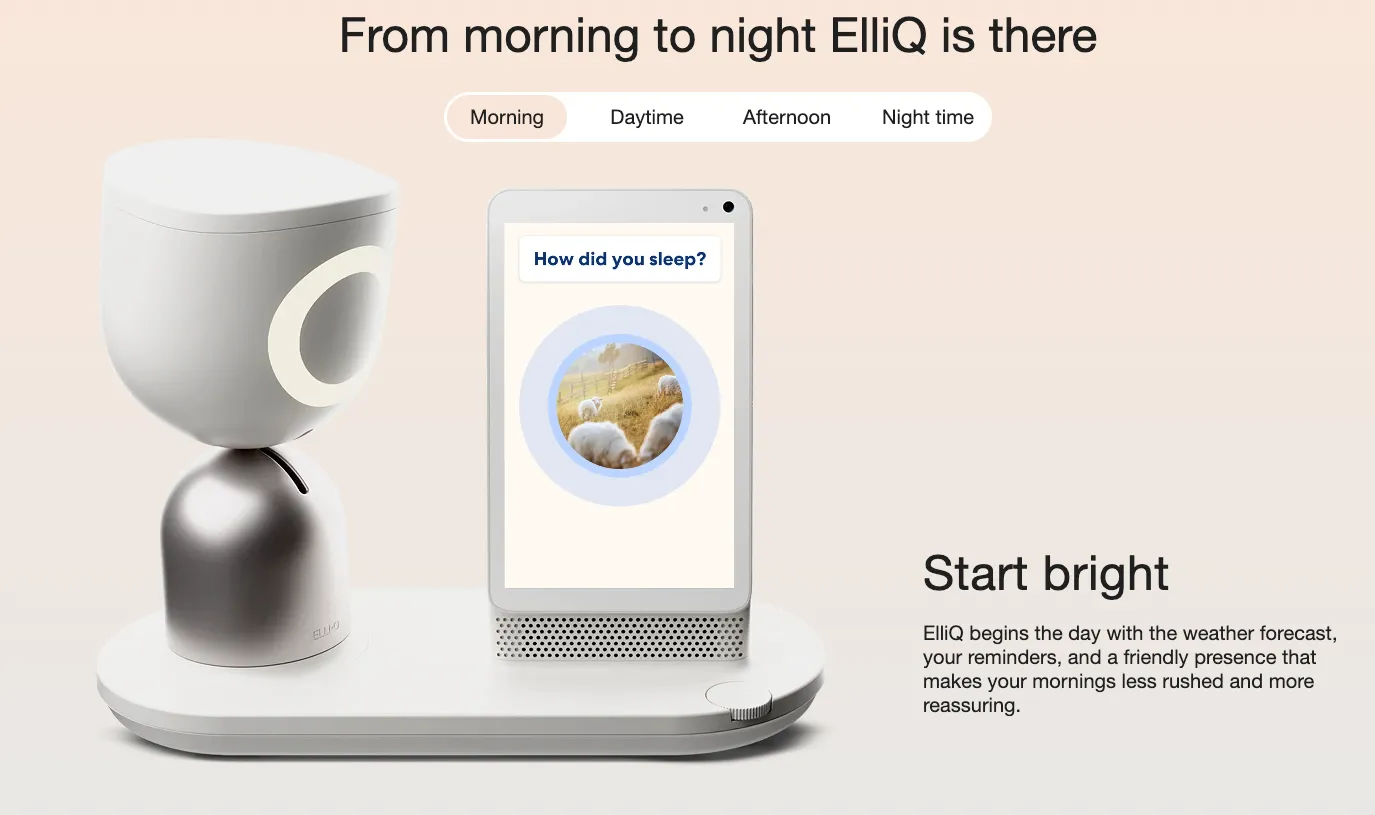
We didn’t stop at “more conversation.” We ran A/B tests to learn which types of conversation, at what times of day, resonated most — then doubled down on what worked.
Results
- 58% increase in user engagements
- 120% increase in Time Well Spent with Experience features
- A clear, data-backed strategy the whole team could rally behind
What I learned
Focus compounds. The hard part wasn’t finding the signal — it was having the conviction to starve other areas and fund the one that mattered. Defining the right KPI up front is what made that trade-off defensible instead of political.